
Group A
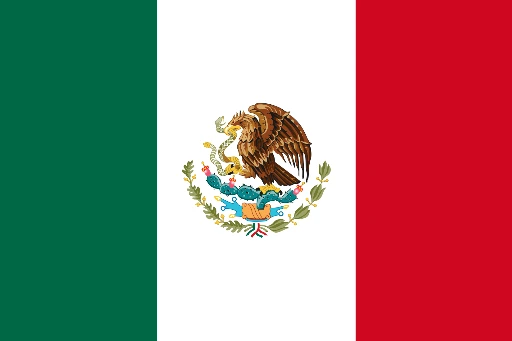
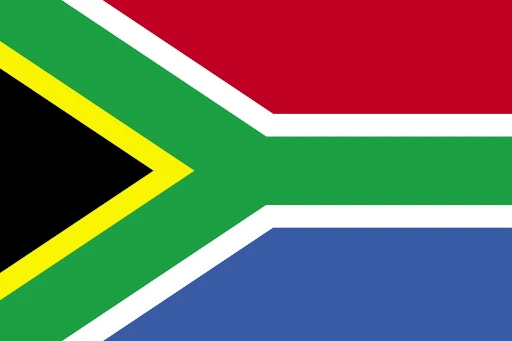
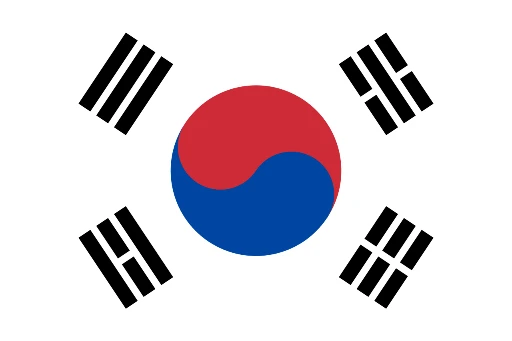
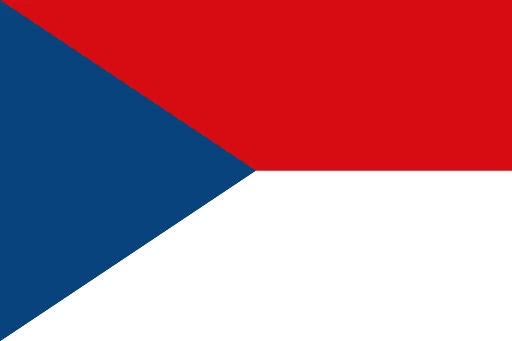
Mexico open the tournament in a group with South Africa, South Korea and Czechia.
Complete FIFA World Cup 2026 group-stage overview featuring all 12 groups, national team profiles, tactical context, favorites, dark horses and qualification dynamics.
The 2026 World Cup group stage features 48 teams divided into 12 groups of four. Each group creates a different tactical picture, from elite contenders and experienced tournament sides to debutants and potential surprise qualifiers.
Mexico open the tournament in a group with South Africa, South Korea and Czechia.
Canada face Bosnia and Herzegovina, Qatar and Switzerland in a balanced group.
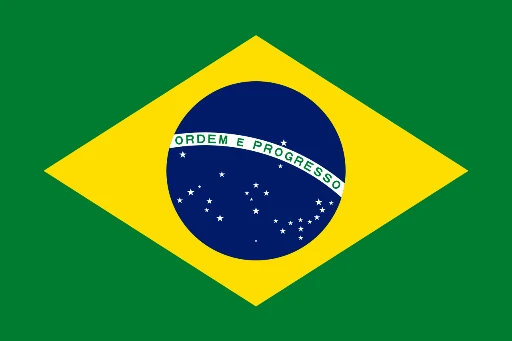
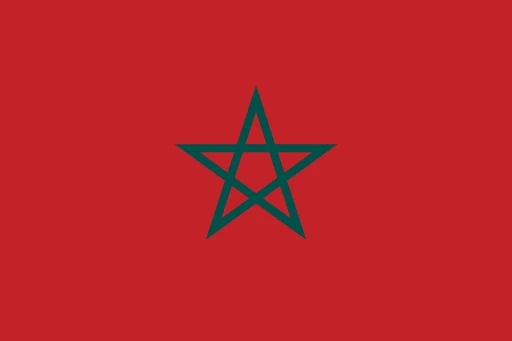
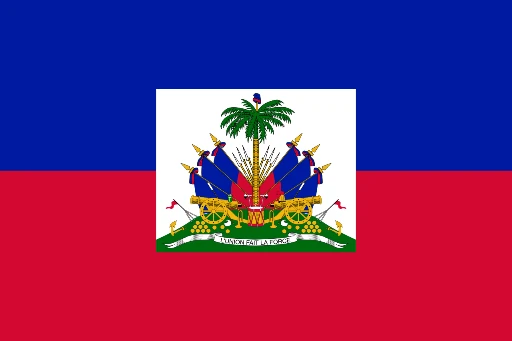
Brazil headline a competitive group with Morocco, Haiti and Scotland.
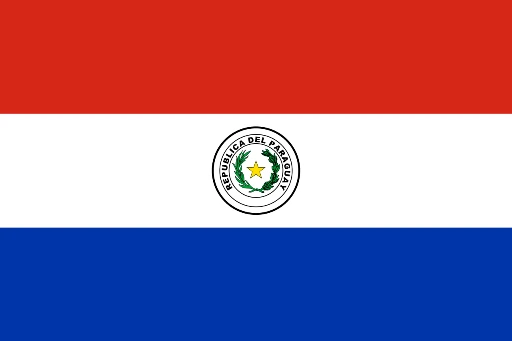
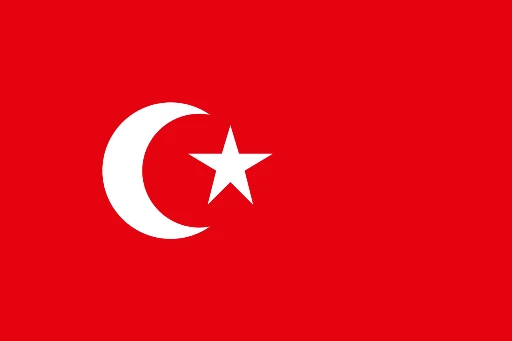
The United States meet Paraguay, Australia and Türkiye in one of the most physical groups.
Germany lead Group E alongside Curaçao, Ivory Coast and Ecuador.
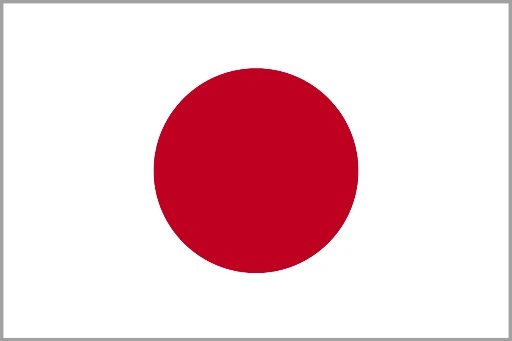
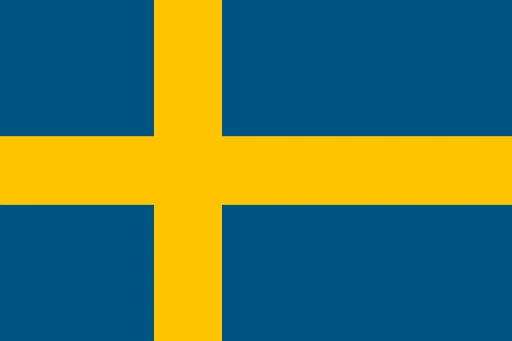
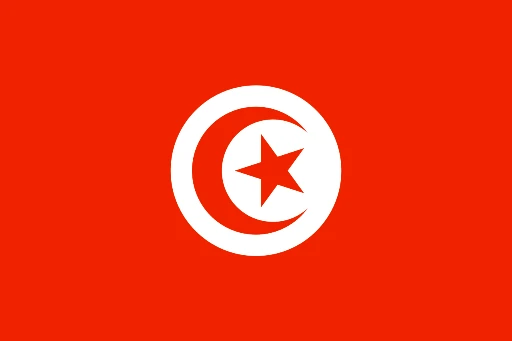
Netherlands, Japan, Sweden and Tunisia form a tactically varied group.
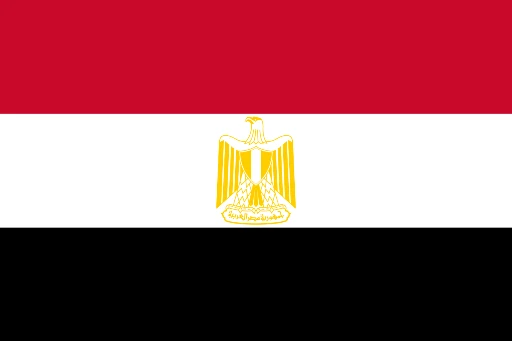
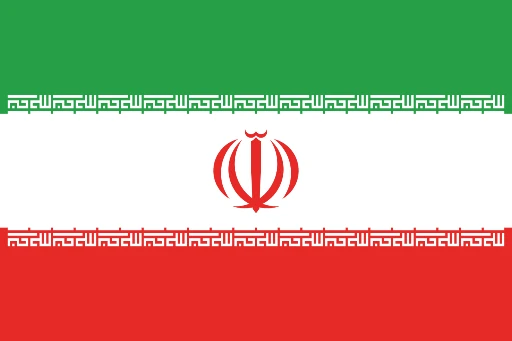
Belgium, Egypt, Iran and New Zealand create a group with different tactical identities.
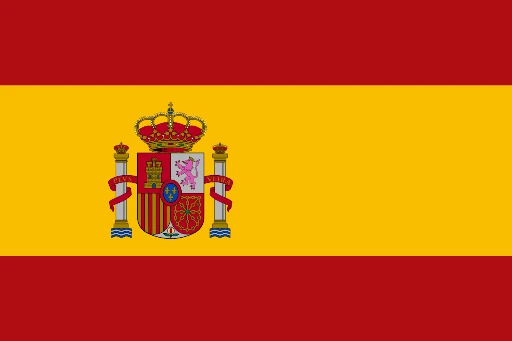
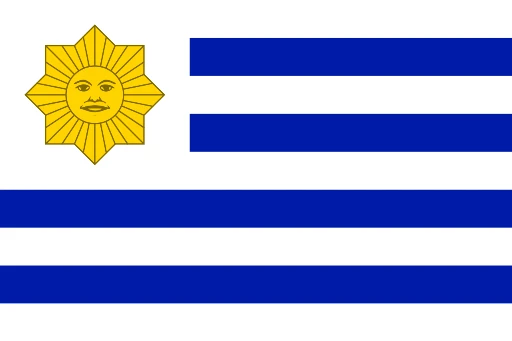
Spain face Cape Verde, Saudi Arabia and Uruguay in a group with contrasting styles.
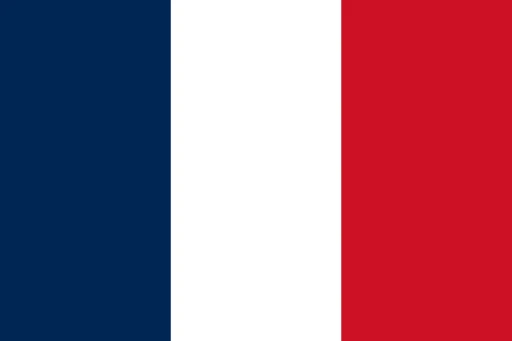
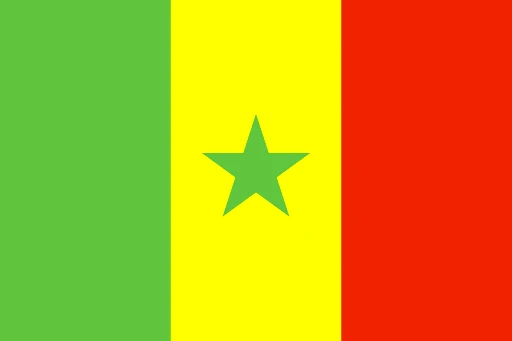
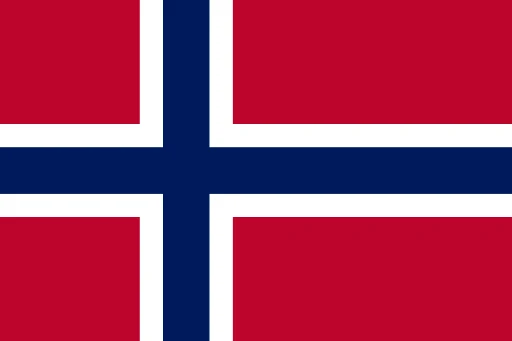
France meet Senegal, Iraq and Norway in one of the most intriguing groups.
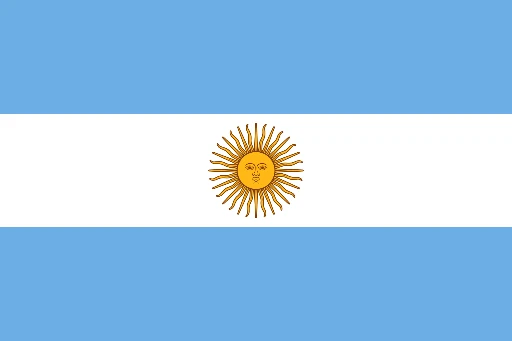
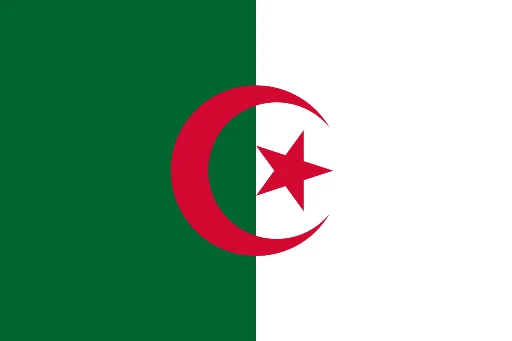
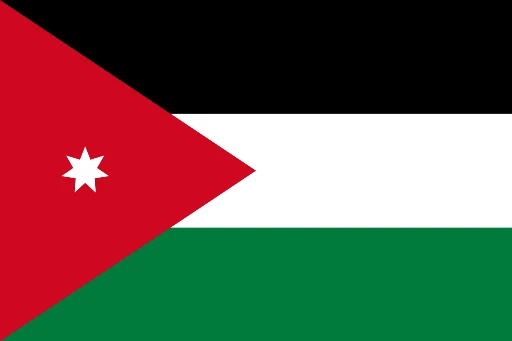
Defending champions Argentina are grouped with Algeria, Austria and Jordan.
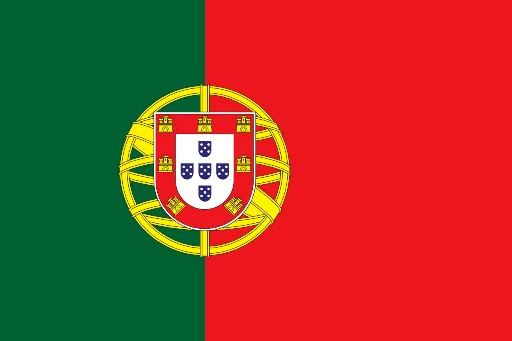
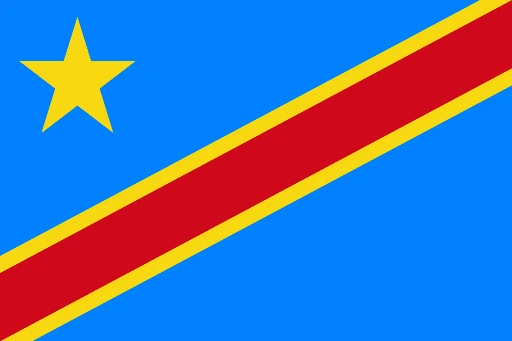
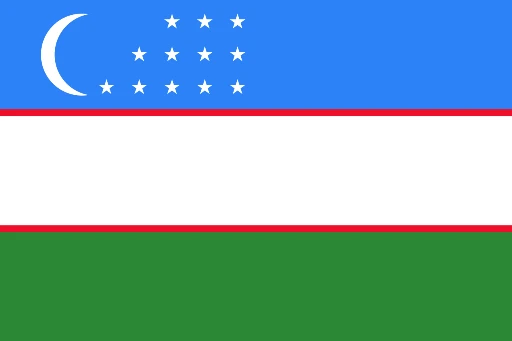
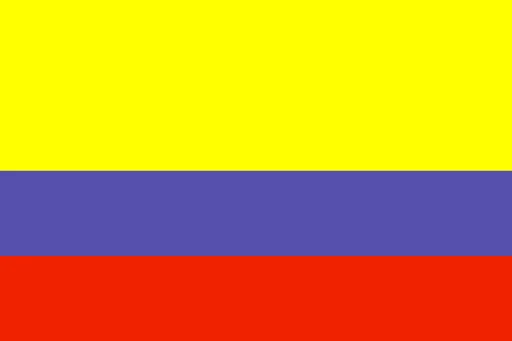
Portugal are joined by DR Congo, Uzbekistan and Colombia.
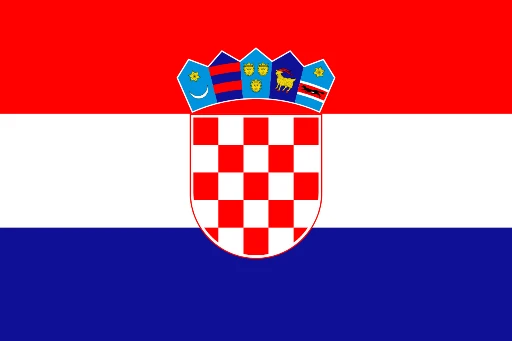
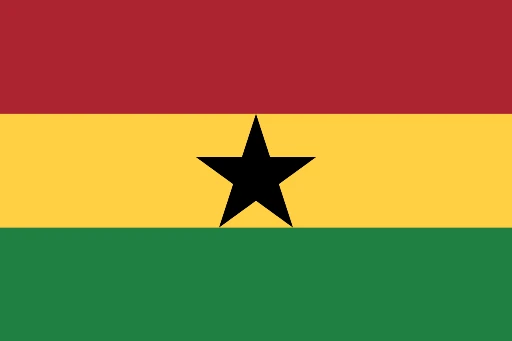
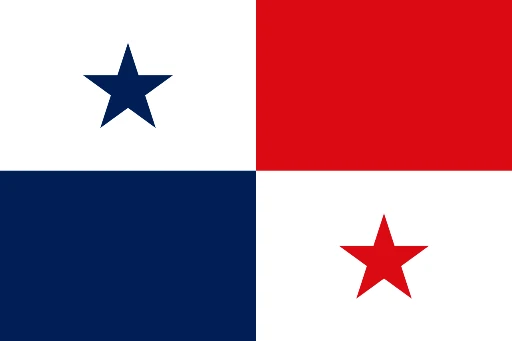
England, Croatia, Ghana and Panama complete the group-stage lineup.
The expanded World Cup format changes how teams approach the group stage. With more teams, more confederation diversity and more third-place qualification scenarios, group-stage analysis becomes more important than ever.
The tournament now includes 48 national teams, creating a wider tactical and regional mix than previous World Cup editions.
Groups now feature more stylistic contrast between possession teams, transition sides, compact defensive blocks and physically intense pressing teams.
More teams and more qualification paths increase the importance of individual matchups, goal difference and late group-stage scenarios.