

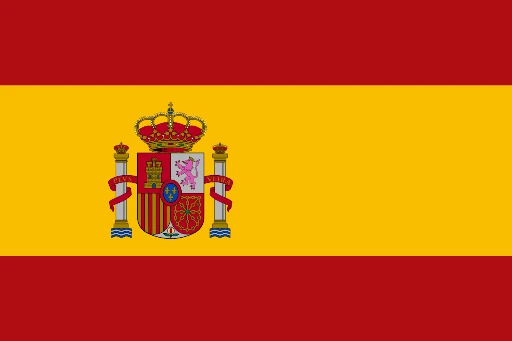
Positional Play
Spain
Spain are the clearest possession-control team, combining positional structure with explosive wide players.
Spain AnalysisThe tactical themes expected to shape World Cup 2026: controlled pressing, transition speed, rest defense, flexible formations, set-piece efficiency and squad management across the longest World Cup format ever.
International tournaments do not behave like club football. Coaches have less training time, squads travel more, and matches are decided by small tactical margins.
World Cup 2026 is unlikely to be dominated by one single formation. The decisive teams will be those that can switch between possession control, compact defending and fast transition attacks without losing structure. Depth matters more than ever because the expanded tournament format rewards teams that can rotate without losing identity.
The best teams rarely stay in one static shape. Their defensive formation, build-up structure and attacking shape often look completely different within the same match.
Elite Balance
The 4-3-3 remains the most flexible base structure for elite teams. It gives natural width, midfield control and pressing access, while allowing one full-back or midfielder to invert during possession.
Likely users: Spain, France, Brazil, Portugal, Germany
Tournament Control
The double-pivot structure gives coaches protection in transition and allows a creative midfielder to operate between the lines. Many teams defend in a 4-4-2 even if they attack in a 4-2-3-1.
Likely users: England, Belgium, Croatia, Uruguay, Switzerland
Matchup Tool
A back three can protect weaker defensive units, release wing-backs and create numerical security against elite forwards. It is especially useful for teams expecting to defend deeper.
Likely users: Netherlands, Morocco, Argentina, Scotland, Jordan
| System | Main Benefit | Main Risk | Best Fit |
|---|---|---|---|
| 4-3-3 | Width, pressing access, midfield control | Can leave full-back zones exposed | Elite possession teams |
| 4-2-3-1 | Double-pivot protection and attacking freedom | Can become flat if the No.10 is isolated | Balanced contenders |
| 3-4-3 / 3-5-2 | Defensive security and wing-back width | Can lose central control if wing-backs are pinned | Reactive or matchup-based teams |
| 5-4-1 | Compact low block and box protection | Limited attacking presence | Underdogs and survival matches |
The tournament is likely to reward teams that can manage rhythm rather than simply dominate possession.
Constant high pressing is difficult across a long summer tournament. The strongest teams will press in targeted waves: after poor touches, backward passes, sideline traps or goalkeeper distribution errors.
Fast attacks after ball recovery may become more important than long possession phases. Teams with runners behind the line and midfielders who can pass vertically will carry major upset potential.
Rest defense is the structure left behind while attacking. It protects against counters and will be crucial for favorites facing underdogs with speed in transition.
Full-backs moving into midfield help teams control second balls and prevent counters. This is especially valuable for possession-heavy teams such as Spain, Germany and Portugal.
Set pieces will still decide matches, but international teams have less preparation time than clubs. Expect simpler, high-value routines rather than extremely complex club-style patterns.
The best coaches will change shapes during matches: pressing high for short periods, dropping into compact blocks, or adding an extra defender once ahead.
Different contenders and dark horses will rely on different tactical routes to survive the expanded tournament.
Spain are the clearest possession-control team, combining positional structure with explosive wide players.
Spain Analysis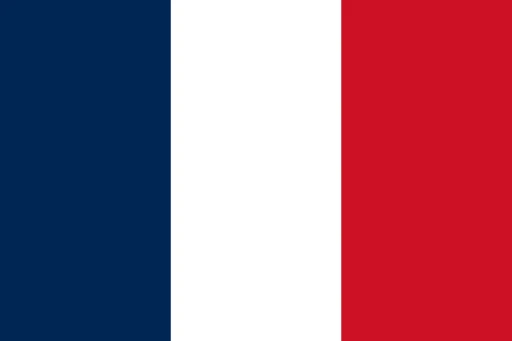
France can win without dominating the ball because their attackers punish space faster than almost anyone.
France Analysis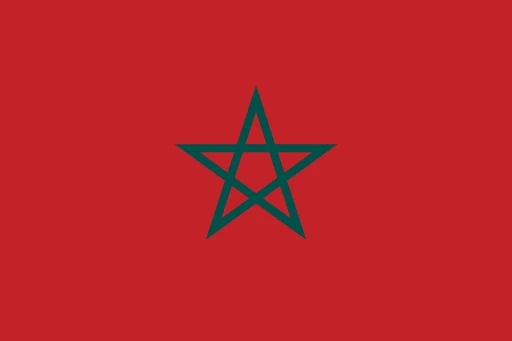
Morocco remain one of the best examples of compact defending, emotional control and dangerous counters.
Morocco Analysis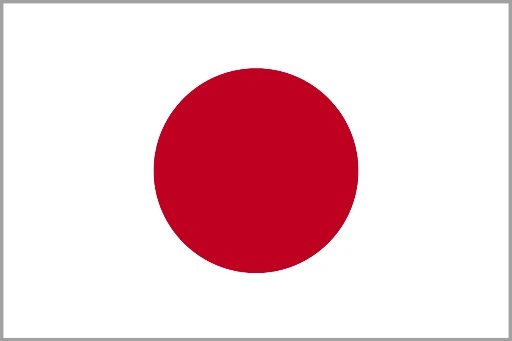
Japan are a leading dark horse because their pressing, rotations and transition speed can disrupt favorites.
Japan Analysis
The Netherlands can use defensive strength and back-three structures to control knockout-stage matchups.
Netherlands Analysis
Uruguay can turn matches into duels, pressure battles and aggressive transition contests.
Uruguay AnalysisDead balls are still one of the best ways for underdogs to create goals, but national teams cannot rehearse routines with the same detail as clubs.
Expect practical, repeatable routines rather than highly complex patterns. The most valuable plays will be corners to crowded zones, second-ball traps, near-post runs and free kicks designed to create rebounds.
Defending corners will be especially important for teams facing physical opponents such as England, Scotland, Senegal, Norway, Paraguay and New Zealand. Hybrid marking systems are likely to remain common.
Tournament matches are often decided by how teams react after scoring first, conceding first or needing a result.
Favorites and dark horses do not need the same tactical formula. The best approach depends on squad quality, group path and match-state pressure.
Team Intelligence Profiles evaluate national teams beyond basic statistics by combining tactical structure, pressing behavior, flexibility and transition dynamics into a broader tournament model.
Traditional metrics such as possession and goals scored do not always explain why some teams consistently outperform expectations in tournament football. Tactical identity, adaptability and match-state reactions increasingly determine success.
The Team Intelligence Profile model compares teams using tactical characteristics that often influence knockout football performance.
| Team | Pressing | Possession | Flexibility | Transition Speed |
|---|---|---|---|---|
| Japan | High | Medium | High | High |
| France | Medium | Medium | High | Very High |
| Spain | Medium | Very High | Medium | Medium |
| Morocco | Medium | Low | High | Very High |
| Netherlands | Medium | High | High | Medium |
These teams may shape the tournament because their tactical identities are clear, flexible or unusually difficult to solve.
| Team | Tactical Identity | Why It Matters |
|---|---|---|
| Spain | Positional play + wide acceleration | They can control possession while still attacking quickly through young wide players. |
| France | Transition power + squad depth | They can win matches without needing to dominate the ball. |
| Japan | Pressing intelligence + technical speed | They can disrupt stronger teams and punish loose possession. |
| Morocco | Compact block + transition discipline | They have a proven formula for frustrating elite teams. |
| Netherlands | Back-three control + defensive strength | They can adapt to different knockout matchups. |
| Uruguay | Intensity + duel-based football | They can make matches physically and emotionally uncomfortable. |
| Norway | Direct chance creation for Haaland | They do not need many chances to score if service is clean. |
| Paraguay | Low-scoring control + transitions | They are built to make stronger opponents work for every chance. |
Compare how favorites, dark horses and underdogs approach World Cup 2026 through squad structure, group context and match-by-match tactical planning.