
Salah’s Central Influence
If Salah receives between the lines and turns toward goal, Egypt can break Iran’s compact block. Iran must prevent him from becoming a central playmaker.
World Cup 2026 Group G — Final Group Stage Match
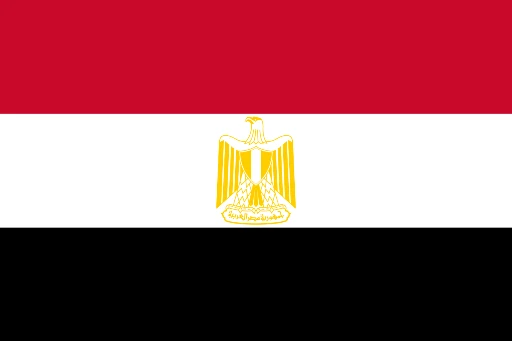 Egypt
Egypt
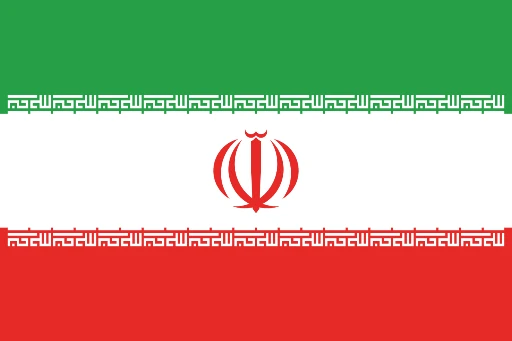 Iran
Iran
Egypt vs Iran is one of the most tense Group G fixtures of World Cup 2026. Egypt have the individual match-winner in Mohamed Salah and the vertical threat of Omar Marmoush, while Iran bring tournament experience, physical resilience and a direct attacking platform led by Mehdi Taremi. This preview breaks down the tactical battle, team strengths, expected match pattern and exact score prediction.
Editorial Win Probability
Editorial model based on team quality, tactical matchup, recent tournament context and expected game state. Not betting odds.

Egypt vs Iran is scheduled for 11:00 PM EDT on June 26, 2026 at Lumen Field, Seattle. This Group G fixture carries knockout-stage implications for both sides, and the tactical profile points toward a game where discipline, counter-attacking efficiency and set-piece defending could decide the result.
The final group-stage match between Egypt and Iran is not a simple stylistic clash. It is a pressure match between two national teams built around experienced attacking leaders, compact defensive blocks and direct routes into the final third. Egypt’s strongest route to control is through Salah’s movement between the right half-space and central zones, while Iran are at their best when they can defend in numbers, win second balls and release Mehdi Taremi into early forward actions.
Egypt are likely to approach this fixture with controlled aggression. They cannot afford long spells of emotional football because Iran are dangerous when matches become stretched. Iran, meanwhile, will probably accept periods without the ball and look to turn possession into territory through diagonal passes, forward duels and set pieces.
The biggest tactical question is whether Egypt can create enough high-quality chances before Iran settle into their compact mid-block. If the match stays level beyond halftime, the draw probability rises sharply because both teams have enough defensive experience to slow the tempo and protect the central corridor.
In Group G, Egypt vs Iran has the profile of a qualification-management match. The exact standings scenario will shape the level of risk, but the core tactical logic remains clear: Egypt have more creative upside through Salah, Marmoush and Trezeguet, while Iran have the physical structure and tournament maturity to keep the game close.
Matchday 3 fixtures often punish teams that open up too early. For Egypt, the danger is becoming too dependent on individual actions from Salah and leaving space behind the fullbacks. For Iran, the danger is defending too deep and allowing Egypt to accumulate pressure around the box. This creates a balanced game state where both teams may have strong spells, but neither side has a clear enough superiority to justify an aggressive win prediction.
See our World Cup 2026 predictions hub and group overview for the wider tournament picture.
Egypt enter this fixture with a squad profile built around individual quality in attack and competitive discipline without the ball. Mohamed Salah remains the decisive reference point, but Egypt’s attacking structure is no longer only about isolating him wide on the right. His central movements, combinations around the box and ability to attract multiple defenders create space for runners such as Omar Marmoush and Mahmoud Trezeguet.
The key for Egypt is tempo control. When Egypt move the ball quickly into wide or half-space zones, they can stretch Iran’s back line and force defensive rotations. When the tempo drops, Iran’s midfield block becomes harder to break down. Egypt therefore need early switches of play, sharp third-man runs and aggressive counter-pressing after losing possession.
Defensively, Egypt must be careful with Iran’s direct play. Taremi’s movement between centre-backs can pull defenders out of shape, and Iran are comfortable creating pressure from second balls. Egypt’s centre-backs and holding midfielder will need to manage depth carefully rather than stepping out too early.
Read our Egypt team analysis for squad depth, key players and tournament outlook.
Iran are one of the most experienced and tactically pragmatic sides in the tournament. Their strongest version is compact, physical and direct. Iran do not need long possession sequences to create danger; they can turn defensive recoveries into attacks quickly through forward passes into Taremi, wide runners and aggressive support around the second ball.
Against Egypt, Iran’s first task is to reduce Salah’s influence between the lines. That means the left-sided defender, near-side midfielder and centre-back must work as a unit rather than defending Salah in isolated one-v-one situations. If Iran allow Salah to receive facing goal, Egypt’s chance creation rises dramatically.
Iran’s attacking route is clearer: target transitions, attack set pieces and make Egypt defend backward. Their best periods may come when Egypt lose patience and push both fullbacks high. If Iran can survive the opening pressure and keep the match level into the second half, they have a real chance to take something from the game.
Explore our Iran team profile for detailed squad analysis ahead of this fixture.
Editorial comparison for Group G based on squad balance, tactical identity and expected match dynamics.
| Factor | Egypt | Iran | Edge |
|---|---|---|---|
| Attacking quality | Salah, Marmoush and Trezeguet provide elite individual threat | Taremi gives Iran a reliable focal point and penalty-box presence | Egypt |
| Defensive structure | Strong when compact, vulnerable if fullbacks push too high | Experienced, physical and comfortable defending deep | Iran |
| Midfield control | Can progress through wide combinations but may lack rhythm under pressure | Disciplined central block, strong second-ball presence | Iran |
| Transition threat | Very dangerous when Salah receives early and runners attack space | Direct, fast and effective after recoveries | Even |
| Set pieces | Useful delivery but not the primary route to goal | Strong aerial profile and good attacking structure | Iran |
| Individual match-winner | Salah gives Egypt the highest ceiling in one moment | Taremi can decide the match from limited service | Egypt |
| Pressure management | Can be dangerous but emotionally volatile in tight games | Experienced in low-margin tournament matches | Iran |
Egypt should have slightly more ambition in possession, especially through Salah dropping inside and Marmoush attacking the space behind. Iran are unlikely to chase the ball high for long spells; their priority will be compactness between midfield and defence.
Egypt may press when Iran recycle possession across the back line, but they must avoid leaving Taremi with space to receive direct passes. Iran’s pressing will likely be selective, triggered by poor first touches, backward passes and Egypt’s fullbacks receiving under pressure.
Transitions are the most important tactical phase. Egypt are dangerous immediately after recoveries because Salah can carry or release runners. Iran are equally dangerous when Egypt lose the ball with both fullbacks advanced.
Egypt will try to create overloads around Salah’s side, but Iran can double up and force play toward less dangerous zones. The opposite flank could become important if Egypt switch the ball quickly enough.
Iran have a clear route to goal from dead-ball situations. Egypt must defend first contacts and second balls with discipline. In a match projected to have limited open-play chances, one corner or free-kick could completely change the outcome.
If Salah receives between the lines and turns toward goal, Egypt can break Iran’s compact block. Iran must prevent him from becoming a central playmaker.
Iran do not need many chances if Taremi gets clean service. Egypt’s centre-backs must track his movement without opening gaps.
Both teams are dangerous in transition. The side that protects the ball better in midfield will reduce the opponent’s best attacking route.
Group-stage pressure could make both coaches cautious. A level score after 60 minutes would likely reduce risk and increase the draw probability.
Expected shape: 4-3-3 / 4-2-3-1
Egypt should look to progress through the right half-space, using Salah as both creator and finisher. Marmoush’s vertical runs can stretch Iran’s back line, while Trezeguet gives Egypt an experienced runner from wide areas. The midfield must stay balanced to avoid leaving transition lanes.
Expected shape: 4-2-3-1 / 4-4-2
Iran are expected to defend in a compact mid-block and attack through direct passes into Taremi, wide support and set-piece pressure. Their best chance is to keep the game close, slow Egypt’s attacking rhythm and punish mistakes in defensive transition.
Our Egypt vs Iran prediction leans toward a low-scoring draw. Egypt have the better individual attacking ceiling because of Salah and Marmoush, but Iran’s structure, physicality and experience make them extremely difficult to separate from in a decisive group-stage setting.
Egypt’s most likely route to victory is an early goal that forces Iran to open up. Iran’s best route is to keep the score level, slow the game, attack set pieces and use Taremi as the reference point in transition. Because both sides have strong reasons to avoid unnecessary risk, this match projects closer to 1-1 than to a wide-open scoreline.
The model does not see a strong favourite. Egypt have more explosive individual quality, Iran have the more stable low-block profile, and the tactical balance points toward a narrow, physical, carefully managed game.
Egypt 1-1 Iran
Egypt 1-1 Iran
Best Value Pick: Under 2.5 Goals
Secondary Angle: Draw or Iran +0.5 depending on market price
Confidence Level: Medium
This Egypt vs Iran prediction is based on tactical matchup, squad profiles, attacking efficiency, defensive structure and expected Matchday 3 game state. The safest analytical angle is a tight, low-margin match rather than a dominant win for either side.
This is the strongest analytical angle. Both teams are capable of defending in compact blocks, and the final group-stage context should reduce unnecessary risk. A 0-0, 1-0, 0-1 or 1-1 scoreline all fit the tactical profile.
BTTS is possible but not automatic. Egypt have Salah and Marmoush, while Iran have Taremi and set-piece threat. However, the match could also become very cautious if both sides prioritise not losing.
The draw has strong logic because the matchup is balanced. Egypt have more creative upside, but Iran have enough structure and experience to neutralise long spells of pressure.
A physical midfield battle is expected. If the match remains close after halftime, tactical fouls and defensive duels could increase the card count.
Iran cannot allow Salah to receive freely between the winger, fullback and central midfielder. If Salah drifts inside and turns, Egypt become far more dangerous.
Taremi’s movement, timing and penalty-box intelligence are Iran’s clearest route to goal. Egypt must defend him collectively rather than relying on one defender.
Egypt need quick ball circulation to stretch Iran horizontally. Slow possession will suit Iran, who are comfortable sitting compact and forcing crosses from deeper zones.
Iran will try to turn the match into a duel-heavy contest. Egypt must win enough second balls to prevent Iran from building pressure through territory and restarts.
Egypt vs Iran is scheduled for June 26, 2026 at 11:00 PM EDT at Lumen Field, Seattle.
Egypt vs Iran is a FIFA World Cup 2026 Group G fixture.
Our editorial prediction is Egypt 1-1 Iran.
Under 2.5 Goals is the strongest analytical angle because both teams are expected to manage risk carefully.
Yes. Egypt can win if Salah receives in dangerous central zones and Marmoush creates depth behind Iran’s defensive line.
Yes. Iran can win if they keep the match compact, create set-piece pressure and give Taremi enough service in transition.
Mohamed Salah is Egypt’s key player because of his finishing, creativity and ability to decide tight matches from limited space.
Mehdi Taremi is Iran’s key player because he gives the team a reliable attacking reference point and major penalty-box threat.
No. The tactical profile points toward a controlled and low-scoring match, with 0-0, 1-1, 1-0 or 0-1 all realistic scorelines.
You can read more previews on our World Cup 2026 predictions hub.